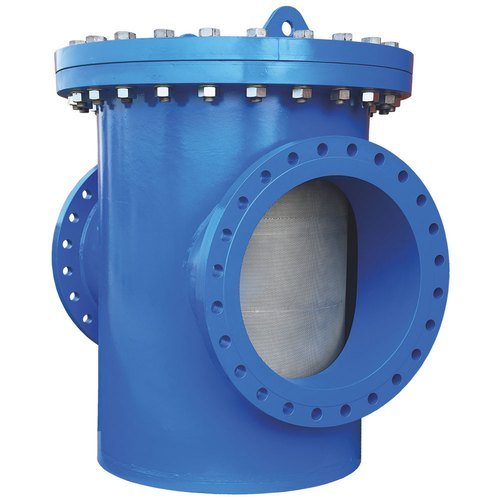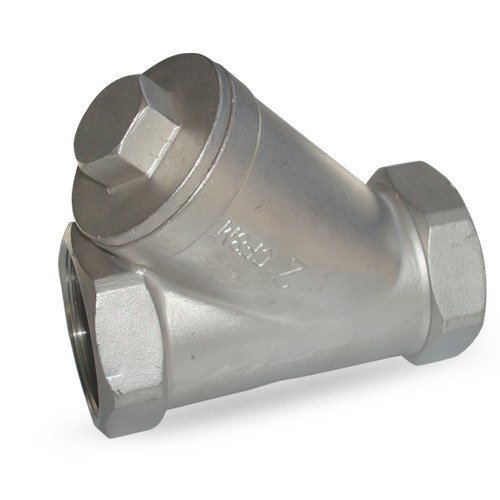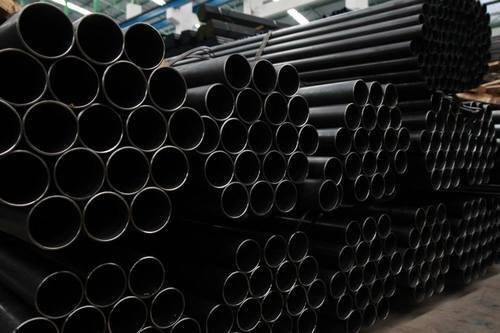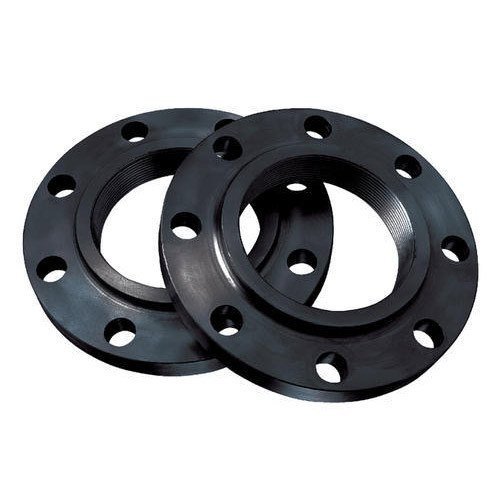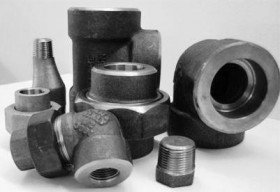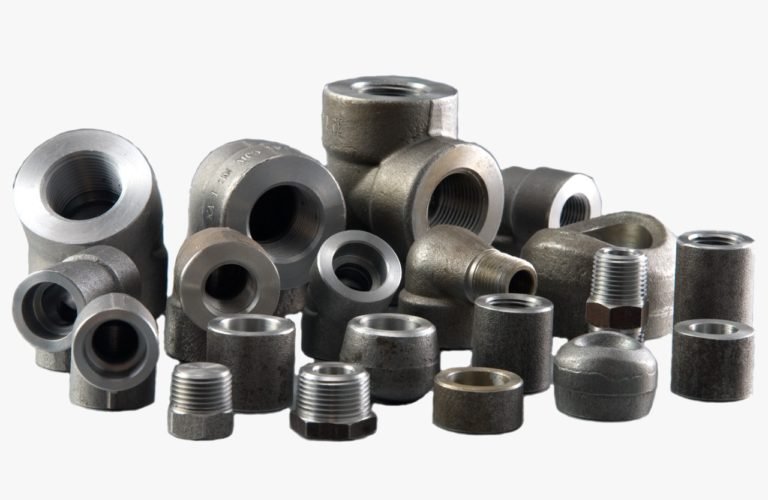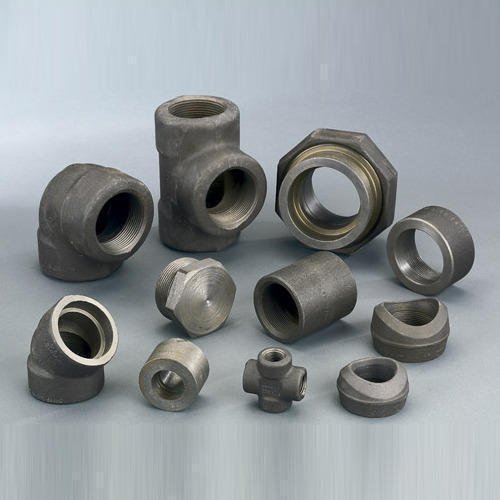
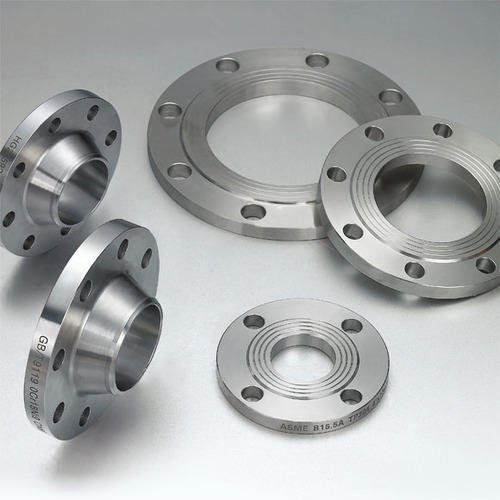
Forged Flanges MUSSAFFAH ABU DHABI Dubai Sharjah UAE
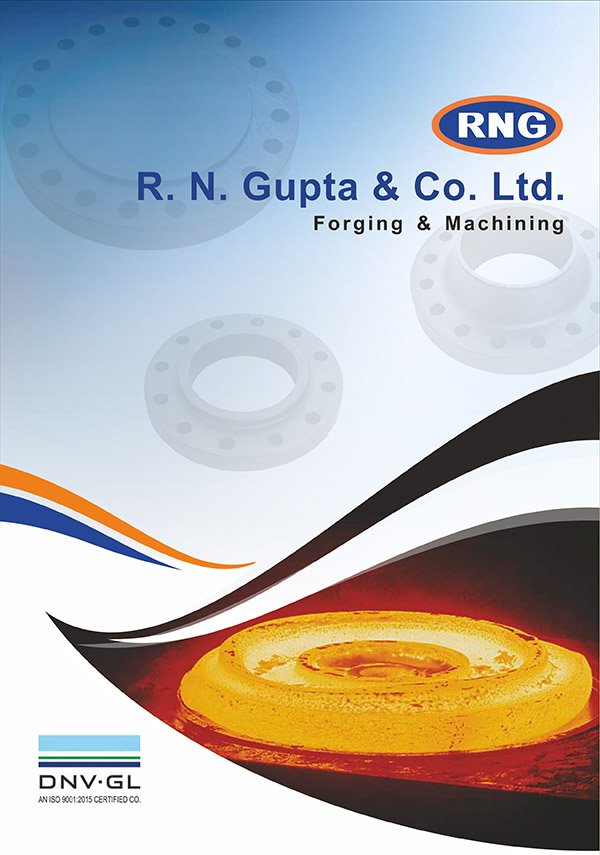
Forged Flanges MUSSAFFAH ABU DHABI Dubai Sharjah UAE are essential components used in piping systems to connect pipes, valves, pumps, and other equipment. They provide a secure, leak-proof joint that can handle high pressure, high temperature, and corrosive environments. Forged Flanges MUSSAFFAH ABU DHABI Dubai Sharjah UAE are manufactured through a forging process, which involves shaping heated metal under high pressure, resulting in superior strength and durability compared to cast flanges.
What Are Forged Flanges?
Forged Flanges MUSSAFFAH ABU DHABI Dubai Sharjah UAE are created by heating steel billets and then pressing or hammering them to the required shape using hydraulic or mechanical presses. This process improves the grain structure of the material, providing greater mechanical properties such as:
-
High tensile strength
-
Excellent toughness
-
Better fatigue resistance
-
Enhanced corrosion and pressure resistance
Types of Forged Flanges
Common types include:
-
Weld Neck Flange
-
Slip-On Flange
-
Blind Flange
-
Threaded Flange
-
Socket Weld Flange
-
Lap Joint Flange
-
Long Weld Neck Flange
-
Orifice Flange
Each type is designed for specific applications and installation requirements.
Materials Used
Forged flanges are typically made from:
-
Carbon Steel (A105, A350 LF2)
-
Alloy Steel (F11, F22)
-
Stainless Steel (304, 316, 321)
-
Duplex & Super Duplex Stainless Steel
-
Nickel Alloys, Inconel, Monel, Hastelloy
Manufacturing Standards
Forged flanges are produced according to international standards such as:
-
ASTM / ASME
-
ANSI / API / DIN
-
BS / EN / JIS
-
MSS-SP
Applications of Forged Flanges
Forged flanges are widely used across industries, including:
-
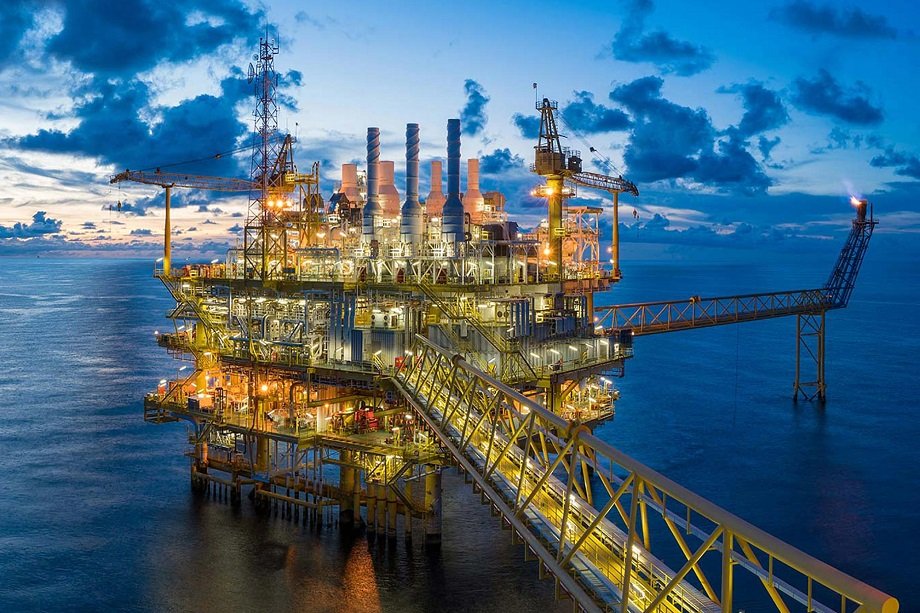
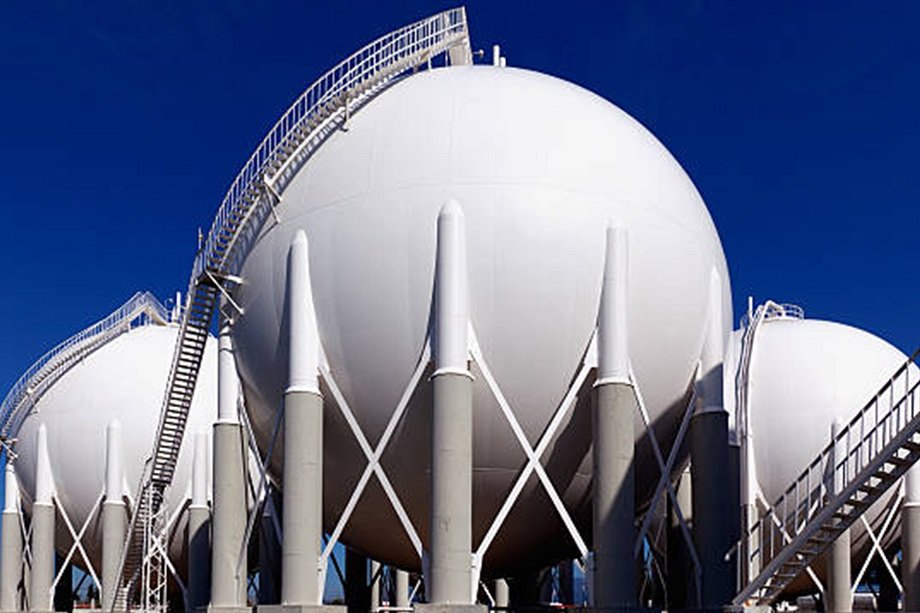
Oil & Gas
-
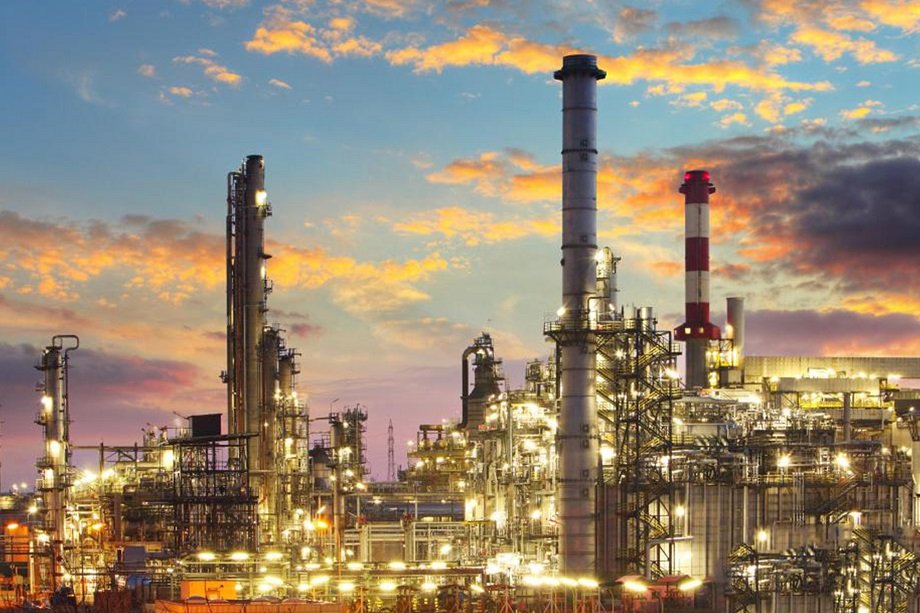
Petrochemical & Refinery
-
Water Supply Systems
-
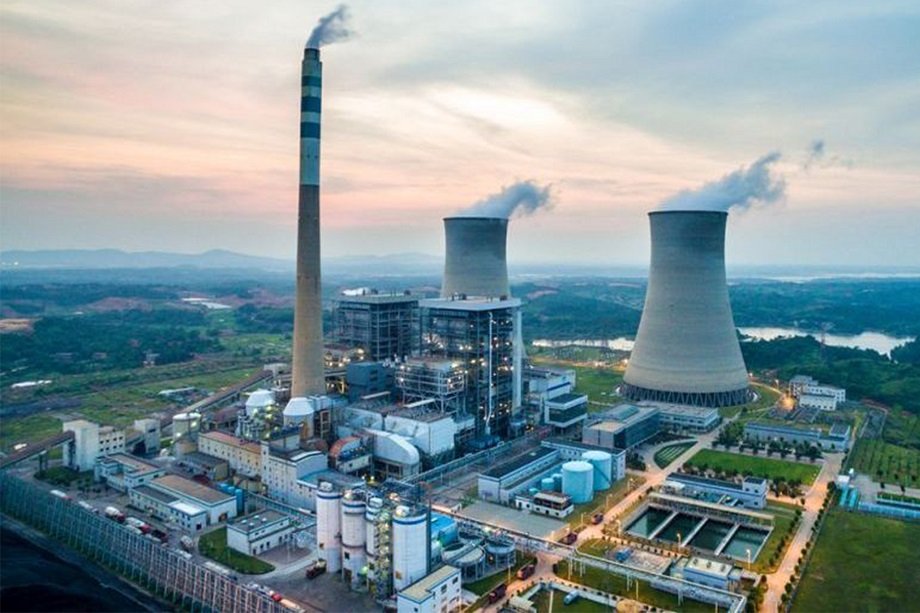
Power Generation
-
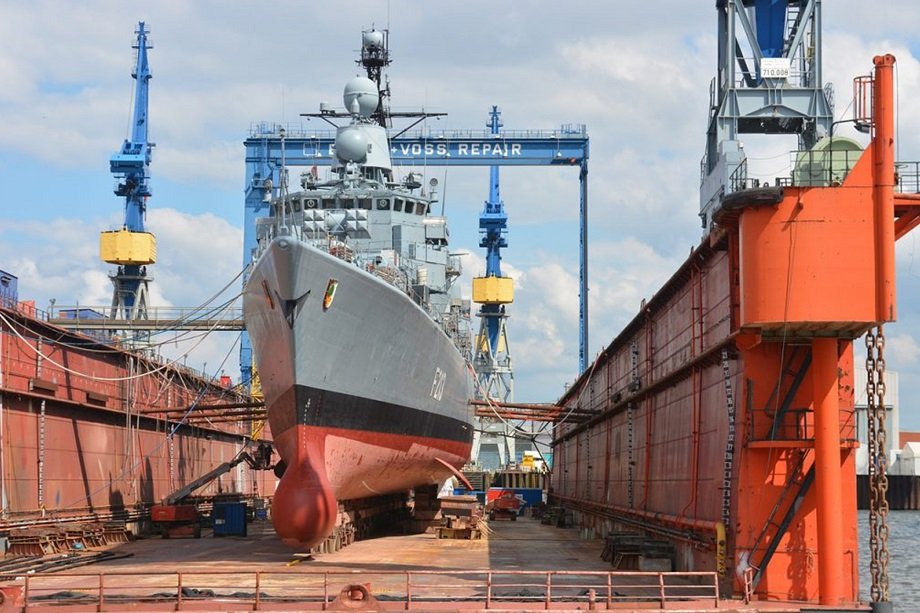
Shipbuilding
-
Pharmaceutical & Food Processing
-
Construction & Heavy Engineering
Advantages of Forged Flanges MUSSAFFAH ABU DHABI Dubai Sharjah UAE
| Feature | Benefit |
|---|---|
| High Structural Strength | Withstands high pressure and temperature |
| Better Fatigue Performance | Increased service life |
| Uniform Grain Flow | Reduced cracks, leaks, and porosity |
| Corrosion Resistant | Ideal for harsh environments |
| Cost Effective | Low maintenance and long-term reliability |
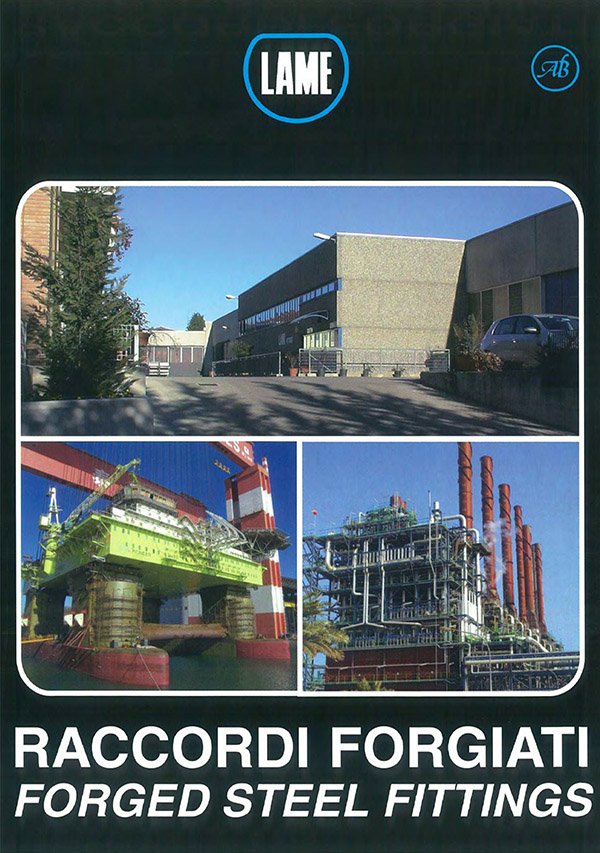
LAME & Forged Fittings MUSSAFFAH ABU DHABI Dubai Sharjah UAE
LAME Forged Fittings MUSSAFFAH ABU DHABI Dubai Sharjah UAE[...]

Structural Steel Suppliers Dubai
Digital transformation comes with its set of challenges. Discover expert strategies to overcome obstacles and successfully transition into the digital age.
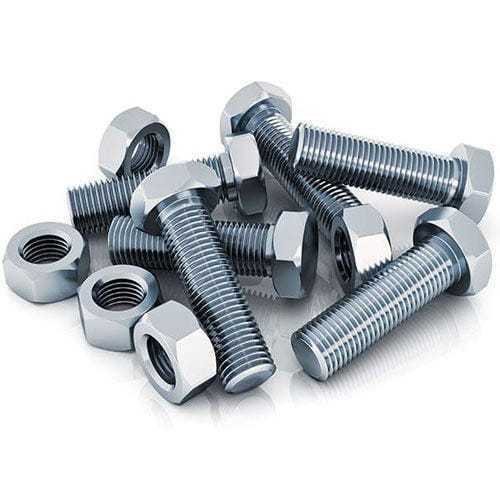
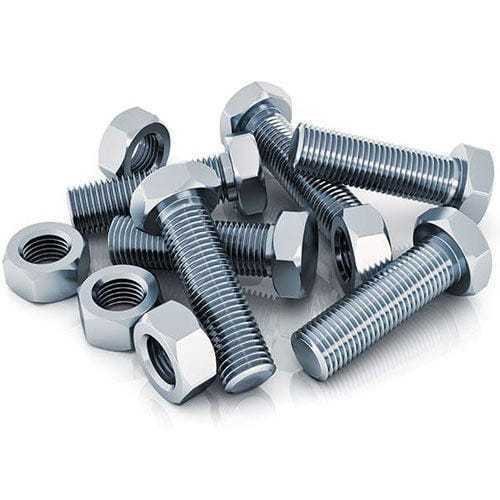
Steel pipe Bolts & Nuts fittings suppliers in MUSSAFFAH, Sharjah ABU DHABI
Digital transformation comes with its set of challenges. Discover expert strategies to overcome obstacles and successfully transition into the digital age.
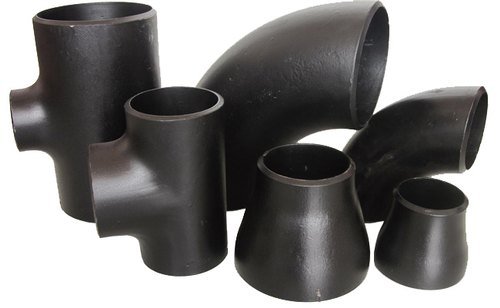
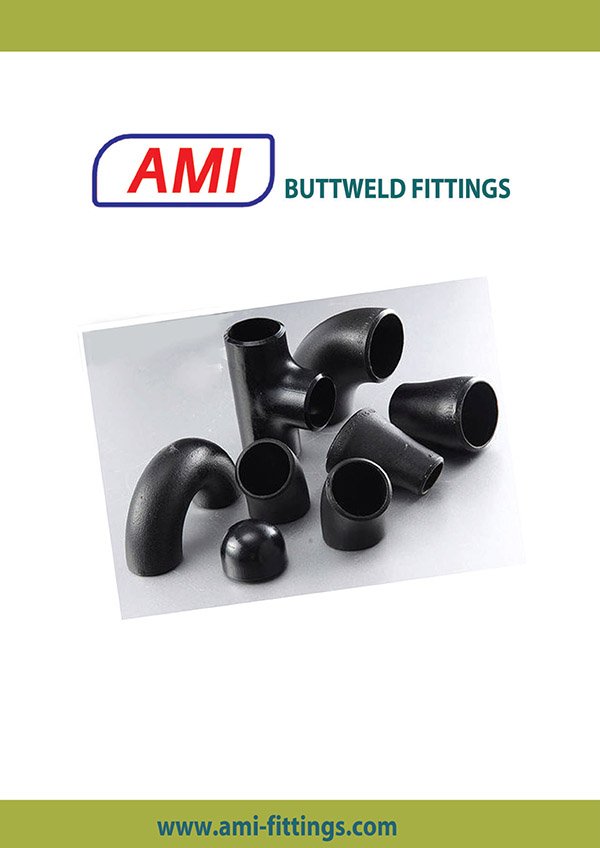
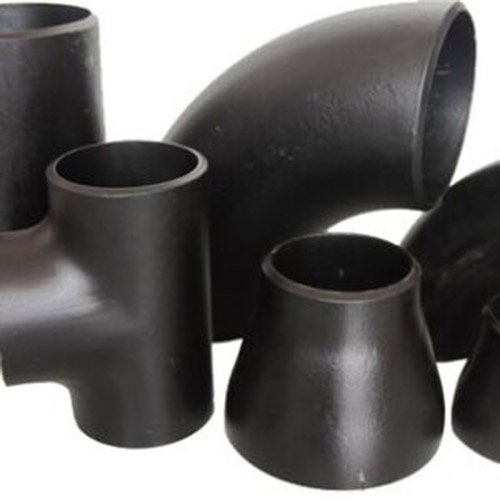
BW Fittings & Forged Fittings MUSSAFFAH, ABU DHABI, Dubai, Sharjah UAE
Digital transformation comes with its set of challenges. Discover expert strategies to overcome obstacles and successfully transition into the digital age.
Forged Flanges MUSSAFFAH ABU DHABI Dubai Sharjah UAE
Digital transformation comes with its set of challenges. Discover expert strategies to overcome obstacles and successfully transition into the digital age.
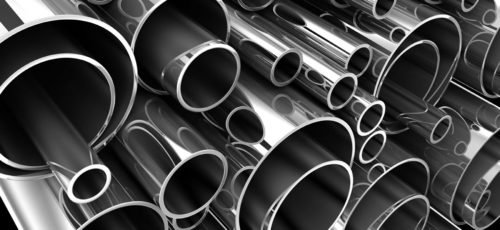
Pipes & Tubes MUSSAFFAH ABU DHABI Dubai Sharjah UAE
Digital transformation comes with its set of challenges. Discover expert strategies to overcome obstacles and successfully transition into the digital age.



 AL MAYASA PROFILE